
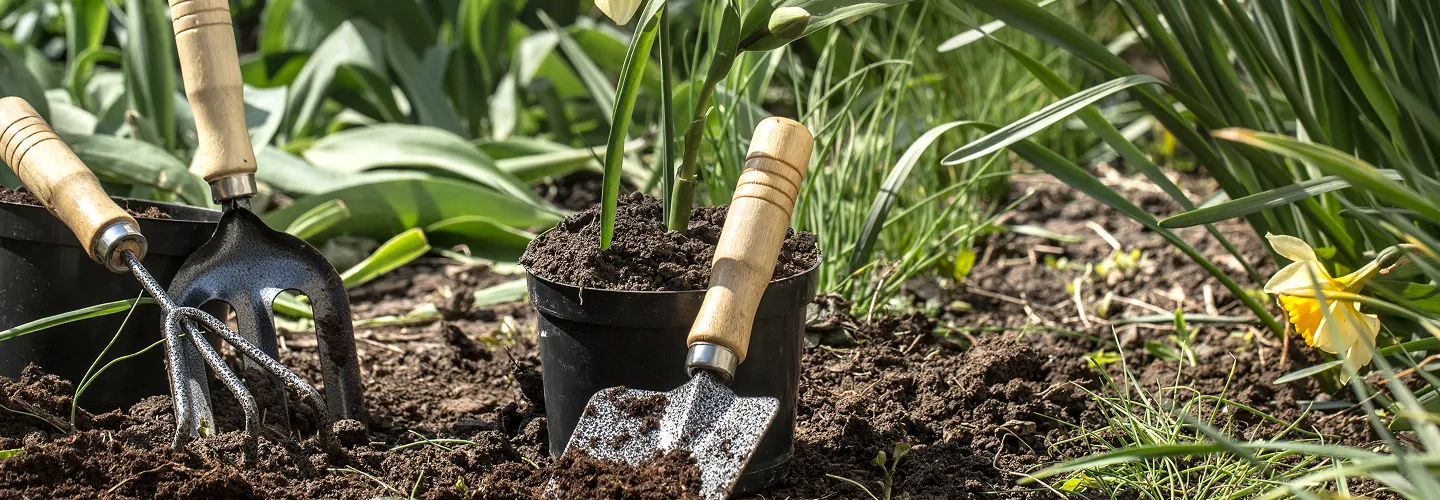
Liberty Hill Plant Removal Services
Choose our plant removal experts for safe, thorough, and eco-friendly solutions that restore your landscape’s beauty and health—without the stress.
Get a Free QuoteOur Liberty Hill Landscaping & Yard Care Services
When to Schedule Plant Removal in Liberty Hill, Texas – Seasonal Guide
In Liberty Hill, Texas, timing your plant removal is crucial for both the health of your landscape and the efficiency of the process. The region’s climate features hot, dry summers and mild winters, with the last frost typically occurring in early March and the first frost arriving in late November. For neighborhoods near Liberty Hill City Park or along County Road 200, it’s best to schedule plant removal during late winter or early spring, just before new growth begins. This timing helps minimize stress on surrounding vegetation and takes advantage of cooler, less humid conditions, reducing the risk of soil compaction and root disturbance.
Local environmental factors such as drought risk, heavy clay soils, and varying shade coverage—especially in areas like Stonewall Ranch or near the San Gabriel River—play a significant role in determining the best removal window. Additionally, municipal guidelines and seasonal precipitation patterns can impact when and how plant removal services are performed. For more information on local regulations, visit the official municipal resource.
Local Factors to Consider for Plant Removal in Liberty Hill
- Tree density and proximity to structures
- Terrain slope and soil drainage characteristics
- Seasonal precipitation and drought risk
- Frost dates and temperature fluctuations
- Shade coverage from mature trees
- Municipal restrictions and permit requirements
Benefits of Plant Removal in Liberty Hill

Enhanced Curb Appeal
Improved Plant Health
Increased Usable Space
Reduced Pest Infestation
Efficient Landscape Maintenance
Professional and Safe Removal
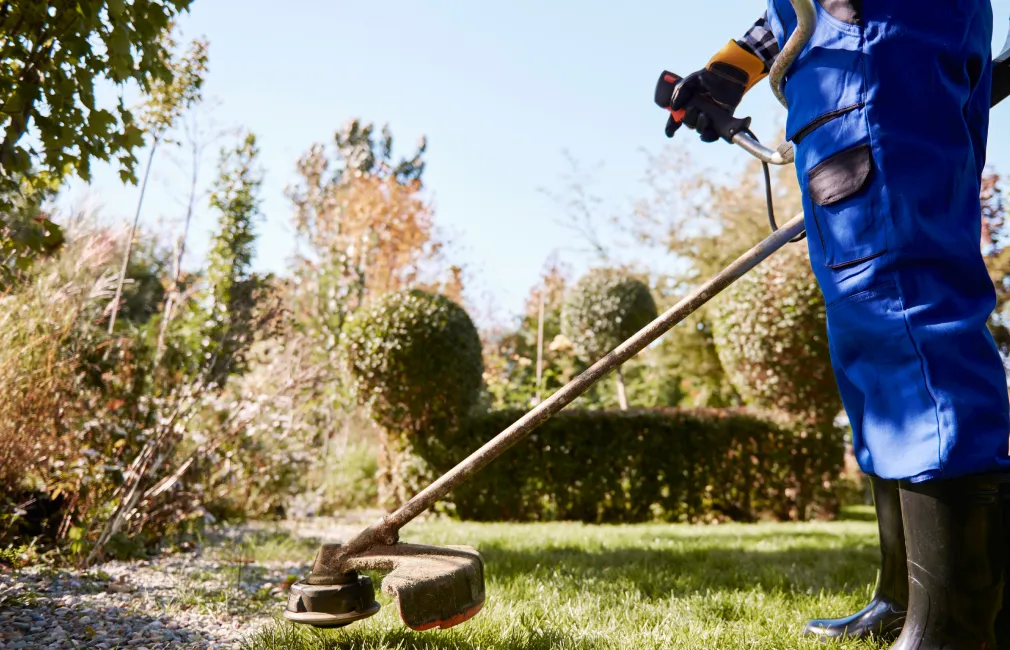
Liberty Hill Plant Removal Types

Tree Removal
-
Shrub Removal
-
Stump Grinding
-
Invasive Species Removal
-
Root System Extraction
-
Overgrown Brush Clearing
-
Hedge Removal
Our Plant Removal Process
Site Evaluation
Preparation and Safety Measures
Plant Extraction
Debris Removal
Site Restoration
Why Choose Liberty Hill Landscape Services
-
Liberty Hill Homeowners Trust Us
-
Expert Lawn Maintenance
-
Reliable Scheduling
-
Competitive Pricing
-
Professional Team
-
Satisfaction Guarantee
-
Personalized Service
Plant Removal and Liberty Hill’s Predominant Soil Series: Technical Considerations
Plant removal in Liberty Hill requires careful assessment of local soil conditions, which are primarily characterized by Houston Black clay and Burleson clay loam, as identified by the USDA Web Soil Survey. These soils are expansive, with high clay content, pH typically ranging from 7.5 to 8.2, and poor drainage, especially after heavy rainfall. Removal methods must account for compaction and the risk of root disturbance to adjacent vegetation. For effective root extraction, mechanical removal should reach a depth of 12-18 inches in these soils. Soil testing is recommended prior to replanting, with services available through Texas A&M AgriLife Extension. Incorporate 2-3 inches of compost tilled to a 6-inch depth to restore structure post-removal. Operators should avoid plant removal during periods of soil saturation to prevent rutting and erosion.
Municipal Debris Disposal Protocols for Plant Removal in Liberty Hill
Proper disposal of plant debris is regulated by Liberty Hill’s municipal ordinances. Weekly curbside yard waste collection occurs every Thursday from April through November. Accepted materials include leaves, grass clippings, and brush under 4 feet in length, placed in biodegradable bags or reusable bins (32-gallon maximum). Prohibited items are plastic bags and branches over 4 inches in diameter. For larger debris, residents must schedule a special pickup through the Department of Public Works.
Liberty Hill Public Works Department
926 Loop 332, Liberty Hill, TX 78642
Phone: (512) 778-5449
Official Website: Liberty Hill Public Works Department
Violations of disposal protocols may result in fines. All plant removal activities must comply with city noise ordinances, which permit equipment operation Monday-Friday 7:00 AM - 7:00 PM, Saturday 8:00 AM - 6:00 PM, and prohibit work on Sundays and holidays.
Environmental Compliance: Stormwater, Wetlands, and Buffer Zones in Liberty Hill
Plant removal near Liberty Hill’s waterways, including Bear Creek and the South San Gabriel River, is subject to strict environmental regulations. The Texas Commission on Environmental Quality (TCEQ) enforces MS4 stormwater permit requirements, prohibiting the discharge of plant debris or soil into storm drains. Maintain a 25-foot no-disturbance buffer from wetlands and a 50-foot setback from perennial streams. The Clean Water Act also applies to activities affecting jurisdictional waters. Mulch or compost removed vegetation on-site when feasible to minimize runoff. For projects within protected areas or conservation easements, coordinate with the city’s Planning and Development Department.
Liberty Hill Planning and Development Department
926 Loop 332, Liberty Hill, TX 78642
Phone: (512) 778-5449
Official Website: Liberty Hill Planning and Development Department
Safety Standards and Equipment Protocols for Plant Removal in Liberty Hill
All plant removal operations in Liberty Hill must adhere to municipal and OSHA safety standards. Required personal protective equipment (PPE) includes:
- Eye protection: ANSI Z87.1 safety glasses
- Hearing protection: Earmuffs or plugs for equipment exceeding 85 dB
- Footwear: Steel-toed boots with non-slip soles
- Gloves: Cut-resistant for pruning, chemical-resistant for herbicide use
Maintain a 15-foot clearance from overhead power lines and a 10-foot buffer from public sidewalks. Only commercial-grade equipment with functioning mufflers may be used, and blades must be sharpened every 20-25 hours of operation. Operators must be trained in safe handling of herbicides, following Texas Department of Agriculture licensing requirements for restricted-use chemicals. All incidents or injuries must be reported to the city’s Code Enforcement Division.
Liberty Hill Code Enforcement Division
926 Loop 332, Liberty Hill, TX 78642
Phone: (512) 778-5449
Official Website: Liberty Hill Code Enforcement Division
What Neighborhoods Do We Serve Throughout Liberty Hill, TX?
- Santa Rita Ranch: Features expansive lots with Houston Black clay soils, requiring deep root extraction and careful debris management due to HOA landscaping standards.
- Stonewall Ranch: Newer development with moderate tree density and compacted fill soils; plant removal often involves coordination with utility easements and stormwater infrastructure.
- Liberty Parke: Residential area with smaller lots and mature landscaping; proximity to drainage channels necessitates strict adherence to buffer zone regulations.
- Rancho Sienna: Located near conservation areas and the South San Gabriel River, this neighborhood requires compliance with wetland buffer requirements and careful erosion control.
- Downtown Liberty Hill: Historic district with older trees and limited equipment access; removal projects must consider narrow streets and city noise ordinance zones.
- MorningStar: Subdivision with rolling terrain and mixed soil types; slope conditions and seasonal drainage patterns impact removal timing and methods.
- Durham Park: Rural area with larger properties, heavy brush, and wildlife corridors; plant removal may require additional permitting for protected species and habitat preservation.